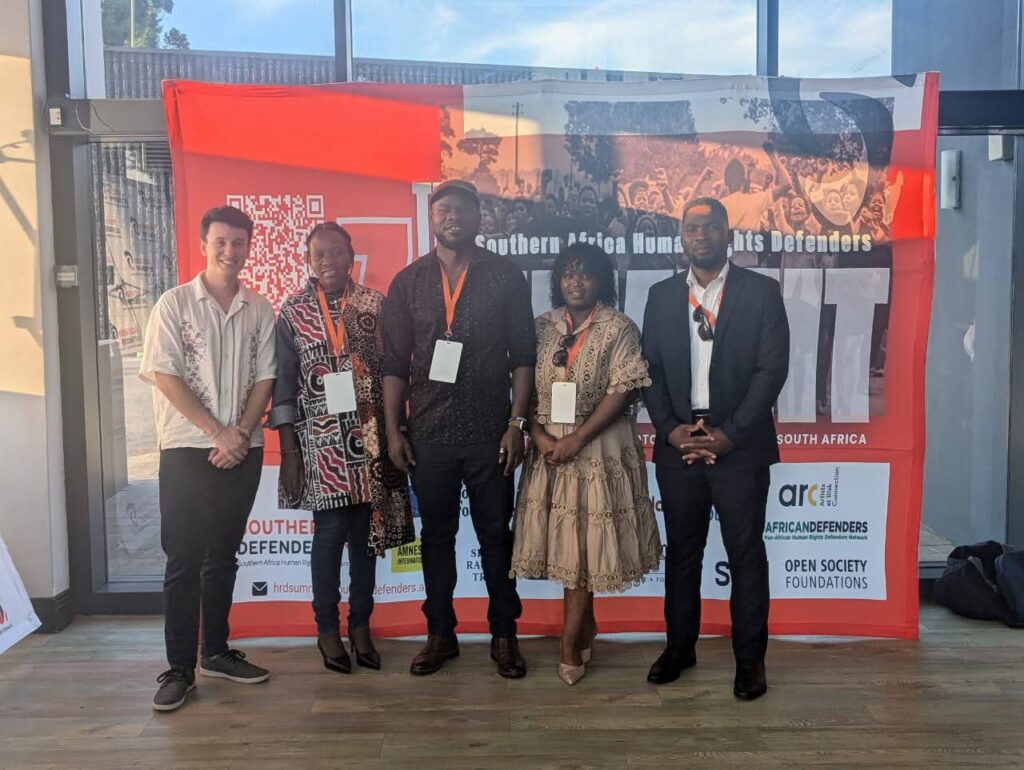
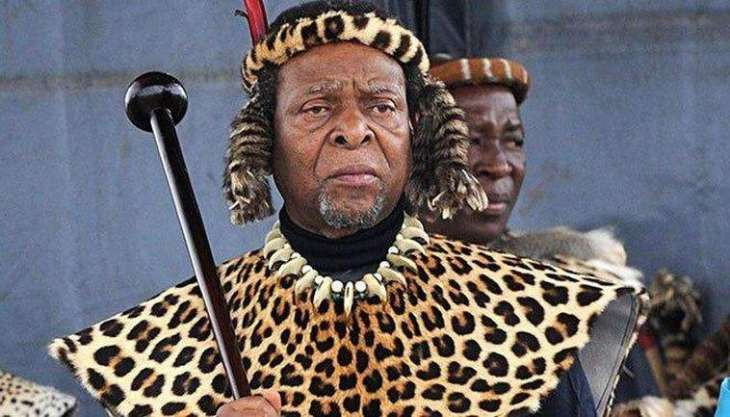
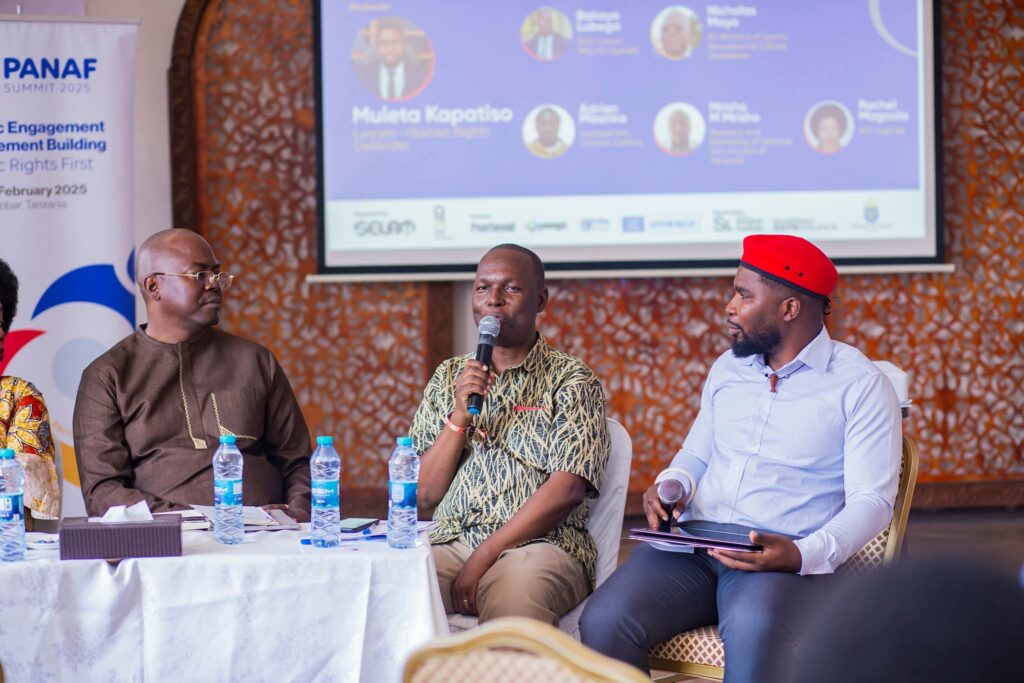
The Ndebele Monarch: Cultural Rights and State Power in Zimbabwe On April 21st, 2025, the Mayor of Bulawayo, David Coltart, met with Mr. Bulelani Lobengula Khumalo — recognized by some as the rightful Ndebele King — to discuss cultural matters and their potential for tourism and development. What followed was a sharp and hostile reaction from Zimbabwe’s Minister of Local Government, Daniel Garwe, who publicly condemned the meeting and labeled the Ndebele King a “charlatan.” At Grassroots Solidarity Advocates (GSA), we are deeply concerned by this response, which signals an unsettling trend: the political marginalization of traditional leadership under modern governance structures. The Minister’s tone, language, and legal framing reveal more than a difference of opinion. They expose a deeper state resistance to cultural autonomy and traditional legitimacy — especially when that legitimacy exists outside the state’s preferred structures. This incident mirrors similar governmental behaviors across Southern Africa. In Botswana, just days before the Zimbabwean episode, a directive was issued prohibiting traditional leaders from holding independent meetings with local officials. In Zambia, the Chitimukulu saga of 2014 saw a sitting president publicly denounce a traditional leader accepted by his own people — all because he had not been officially recognized by the state. These cases point to a disturbing pattern: when cultural leadership gains influence, governments often respond with restrictive policies, delegitimization, or direct interference, undermining rights guaranteed by international human rights law. According to Article 27 of the Universal Declaration of Human Rights, every individual has the right to freely participate in the cultural life of their community. The International Covenant on Civil and Political Rights (Article 27) and the International Covenant on Economic, Social and Cultural Rights (Article 15) further reinforce this by requiring states to protect and promote cultural participation, not hinder it. Zimbabwe’s public dismissal of the Ndebele Monarch and the condemnation of those who acknowledge him stands in direct conflict with these principles. The act of cultural recognition — especially by local authorities — should be celebrated as a commitment to heritage, identity, and inclusive development. Our African traditions are older than constitutions. They transcend political cycles and bureaucratic borders. Culture is not a threat to democracy — it is a foundation for community belonging, national pride, and generational continuity. GSA stands in solidarity with Cultural Rights Defenders, traditional leaders, and all who promote cultural freedom in the face of political resistance. We call on governments to respect the plurality of identities within their borders and to embrace cultural diversity as a strength, not a challenge. Conclusion: The case of the Ndebele Monarch should not be treated as a political inconvenience but as a call to action — a reminder that protecting cultural rights is central to building just, inclusive, and democratic societies across Africa.